
Liquid Silicone Foam in New Energy Vehicles
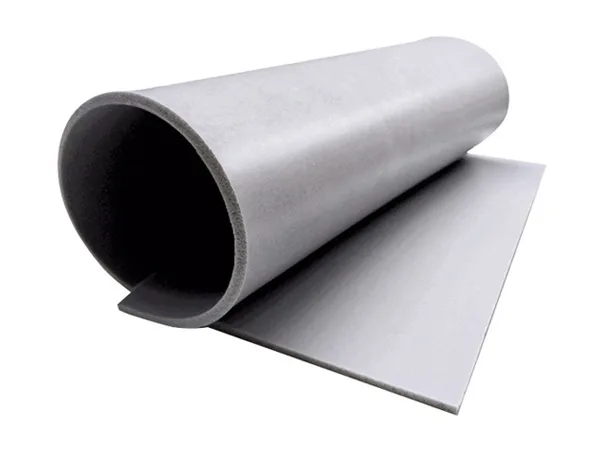
High and low temperature resistance, aging resistance, sealing, and vibration damping are four reasons liquid silicone foam is used in new energy vehicles. It appears in five systems.
1. Battery System
The battery pack demands the highest levels of sealing, thermal insulation, and safety in the vehicle. Foam is used in three main areas.
- Battery pack sealing: Fills the gap between the top cover and housing, creating an IP67/IP68 waterproof and dustproof barrier while preventing electrolyte leakage. If this seal fails, moisture can enter or an internal short circuit can occur.
- Cell-to-cell cushioning: Placed between cells and between cells and the housing to absorb vibration and shock during driving. In early thermal runaway, it slows heat propagation, giving occupants time to evacuate.
- High/low voltage harness sealing: Wraps harness connectors to keep out moisture and dust, preventing electrical shorts.
2. Electric Drive System
The integrated motor, electronic control, and reducer module runs hot and vibrates heavily. Foam addresses two main issues.
- Housing sealing: Seals the mating surfaces of the motor end cover and electronic control housing, preventing glycol coolant leakage and blocking external contaminants.
- Vibration damping and noise reduction: Placed between the drive module and vehicle body to absorb motor vibration and reduce cabin transmission.
3. Charging System
- Charge port sealing: Fills gaps in the charge port housing to achieve IP6K9K protection—meaning it withstands direct high-pressure water jet washing. This prevents water ingress and short circuits in rainy or muddy conditions.
- Module thermal insulation and cushioning: Applied to the housings of the onboard charger (OBC) and DC-DC converter to block heat transfer and cushion vehicle vibration.
4. Thermal Management System
- Cooling line connector sealing: Used at battery and motor cooling line joints, replacing traditional rubber gaskets. It withstands a wide temperature range from −40 °C to 150 °C with minimal coolant leakage.
- Heat pump AC sealing: Seals evaporator and condenser housings to prevent refrigerant leakage and reduce energy loss during heat exchange, improving AC efficiency.
5. Cabin and Body
- Window/sunroof sealing: Some premium models use it to replace traditional EPDM foam, sealing window channels and sunroof drain channels. It provides both sound insulation (reducing wind noise) and waterproofing, with excellent long-term aging resistance.
- Body structure cushioning: Fills gaps in metal components such as doors and chassis to absorb structural vibration, keeping noise and heat out.
From the battery pack to the doors, liquid silicone foam covers every area in a new energy vehicle that requires sealing, vibration damping, and thermal insulation. The higher the electrification level, the more valuable it becomes—heavier batteries, denser heat sources, and stricter quietness requirements are challenges traditional fuel vehicles never faced.
For equipment manufacturers, this material also demands high metering precision: too little adhesive means inadequate sealing, too much causes overflow onto surrounding parts. Maintaining a mixing ratio within ±0.5% is one of the thresholds for mass production.
Need machine configuration advice?
Leave your details and an engineer will contact you within 12 hours.