
Resin Vacuum Casting Applications
Resin vacuum casting serves electrical insulation, electronics potting, EVs, aerospace, prototyping, composites and medical uses needing bubble-free, dense, high-insulation parts.
Vacuum casting typically involves degassing resin under vacuum, pouring it into a mold or housing, and curing it into shape. Common resins include epoxy, polyurethane, silicone rubber, and unsaturated polyester.
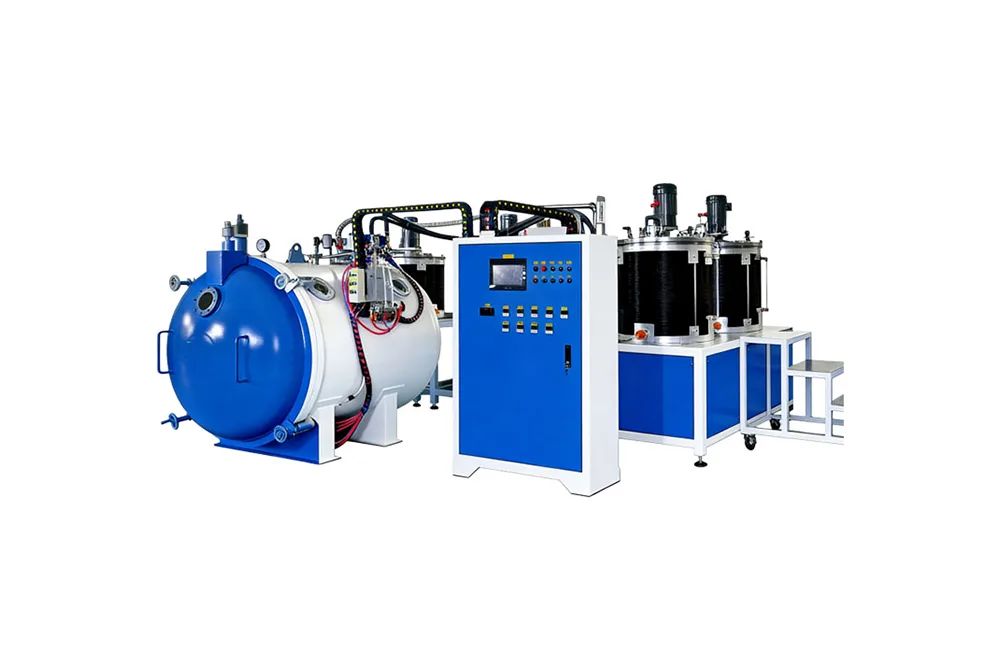
Its applications fall into the following categories:
1. Power & Electrical Insulation The most typical and highest-volume application, for parts requiring high insulation, low partial discharge, and high-voltage resistance:
- Dry-type transformers, instrument transformers, reactors
- High-voltage switches, insulators, bushings, busbar connectors
- Cable accessories, surge arresters, capacitors
- Motor stators, insulation parts for wind/solar/energy-storage converters
- Ring main units, embedded poles, insulating cylinders
2. Electronics & Semiconductor Packaging For potting, encapsulation, and insulation protection:
- Power modules, IGBTs, sensors, connectors
- PCBs, control boards, LED modules
- Inductors, transformers, capacitors
- Assemblies requiring moisture resistance, thermal conductivity, or vibration resistance
3. New Energy Vehicles & Rail Transit
- Drive motors, OBCs, DC-DC converters, battery management systems
- Charging guns, high-voltage connectors, ignition coils
- Traction converters, rail transit insulation components
4. Aerospace & Defense
- Radomes, antennas, connectors
- High-temperature insulation parts, lightweight composite structures
- Potting of high-reliability electronic modules
5. Rapid Prototyping & Small-Batch Replication
- Silicone-mold replicas of prototypes, housings, and automotive interior parts
- Medical device housings, consumer products, transparent parts
- Small-batch production replacing injection-molded parts
6. Composites & Mold Making
- Vacuum-assisted resin transfer molding/infusion: wind turbine blades, boats, sports equipment, automotive structural parts
- Epoxy molds, checking fixtures, jigs, tooling
7. Medical, Dental & Crafts
- Dental models, denture bases
- Jewelry, sculptures, decorative items, replicas
In summary: resin vacuum casting is ideal for parts that demand high insulation, zero bubbles, high density, complex thin walls, and small-to-medium batch sizes. Epoxy dominates electrical applications, while polyurethane is the go-to for rapid manufacturing.
Need machine configuration advice?
Leave your details and an engineer will contact you within 12 hours.