
Pros and Cons of Pultrusion
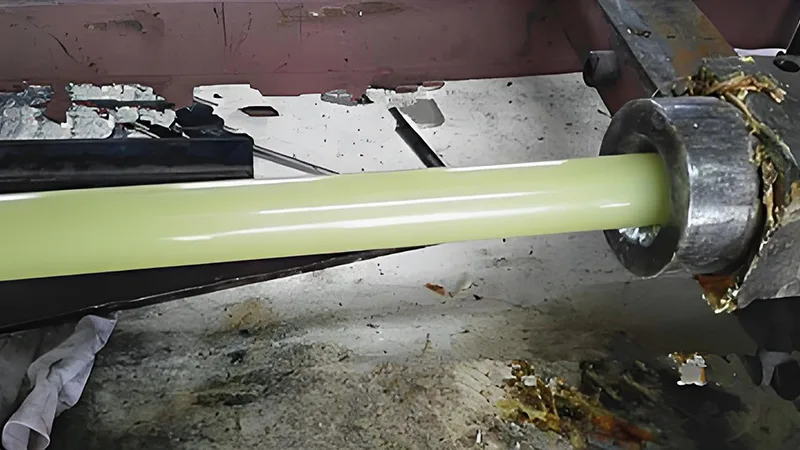
Pultrusion continuously pulls resin-impregnated fiber rovings through a heated die to cure them, producing constant cross-section composite profiles in a continuous process.
Pultrusion is a continuous process for manufacturing constant cross-section composite products. It offers clear advantages in output, quality, material efficiency and automation, but also has limitations in shape flexibility, investment, tooling and raw material compatibility.
1. Key advantages
High output, ideal for continuous mass production. A pultrusion line runs non-stop, automatically handling everything from fiber feeding to cutting, making it especially suitable for constant cross-section linear profiles with far higher output than batch processes such as hand lay-up.
Consistent quality and reliable performance. Fibers are well aligned, resin is evenly distributed and easy to control, and defects such as voids and wrinkles are minimized, so mechanical properties like tensile and flexural strength vary little between batches.
Low material waste. Resin usage can be controlled precisely during preforming, and continuous operation reduces offcuts, using less material than manual lay-up.
Low labor dependency, high automation. Creel feeding, resin impregnation, preforming, heated curing, pulling and cutting are mainly handled by equipment, saving labor and reducing quality variation caused by manual operation.
Excellent for long products. Because pulling and curing run continuously, profiles several meters or even tens of meters long can be produced in one piece without joints, making the process ideal for pipes, profiles and similar applications.
2. Main limitations
Restricted cross-section. The process normally only produces linear products with a constant cross-section, such as tubes, rods and profiles. It is difficult to make complex, curved or variable cross-section structures, so the product range is relatively narrow.
High equipment investment. Creel racks, impregnation baths, preforming dies, heated curing dies, pullers and cutters are all essential, so initial purchase and line construction costs are high, putting clear pressure on small and medium-sized enterprises.
Highly dedicated tooling. Different cross-sections require different dies, and changing products often means redesigning and remanufacturing dies, which increases cost and lengthens changeover time, making the process unsuitable for small-batch, multi-variety production.
Raw material constraints. Continuous fiber rovings such as glass or carbon fiber are generally required; chopped fibers or fabrics are difficult to use directly. The resin must also meet the flow and cure speed requirements of pultrusion, limiting the available options.
Limited process flexibility. Pulling speed, curing temperature and other parameters must match the cross-section and resin system. Once a production setup is fixed, changing parameters or products is troublesome, so the process depends heavily on upfront process design.
Overall, pultrusion is better suited to high-volume, fixed cross-section, long linear composite products. If the product shape is complex, volumes are small, or product changes are frequent, its economics and suitability should be evaluated carefully.
Need machine configuration advice?
Leave your details and an engineer will contact you within 12 hours.